cleansing

Reset Your Space!

Our last Borne Blog discussed cleansing with sage - check it out if you havent already!

I thought a follow up blog on other ways to cleanse and reset your space, without borrowing from Indigenous practices, might be useful.

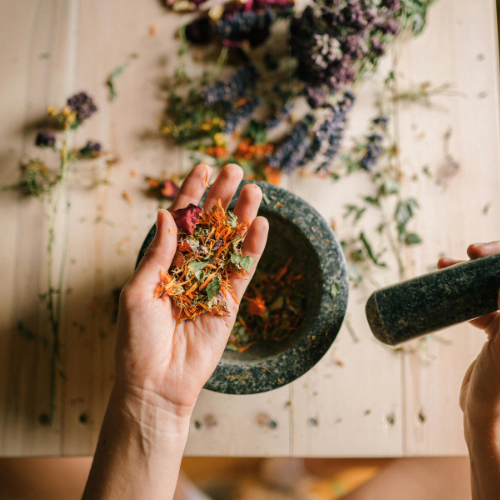
Burning Herbs.

Burning herbs for purification exists across Europe, just without the same cultural restrictions.

  • Rosemary – historically used in Ancient Greece and medieval Europe for protection and remembrance.

  • Lavender – a calming scent that you might have experienced in essential oils, candles etc.

  • Bay leaves – linked to ritual and symbolism in Ancient Rome.

  • Juniper – used in parts of Northern and Eastern Europe for cleansing spaces.

You can burn small amounts safely, or use them as incense—no need to replicate any specific ritual.
Burning Incense.

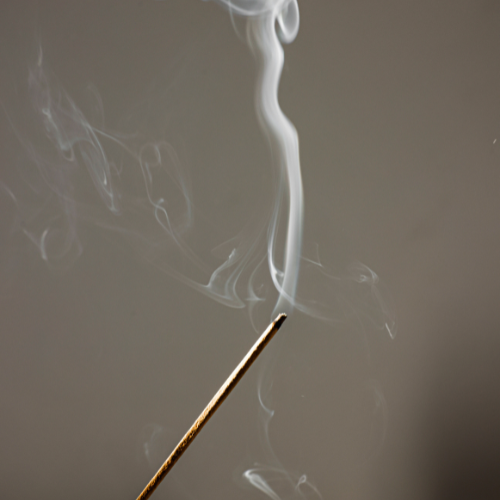
Incense has deep roots in many cultures and is widely shared globally:

  • Frankincense & myrrh – used historically in the Middle East and in Christian, Jewish, and other traditions.

  • Incense sticks/cones – common in East Asian and South Asian practices (best used respectfully, without mimicking rituals you don’t understand).

This is one of the easiest and least controversial ways to create a cleansing atmosphere.
Sound cleansing (completely non-smoke).

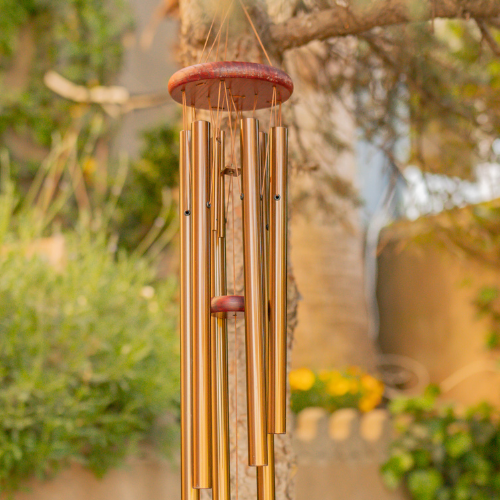
Instead of smoke, you can shift the mood of a space through sound:

  • Ring a bell or chime.

  • Use a singing bowl.

  • Even clapping your hands around a room.

  • Humming.

This is simple, effective, and doesn’t borrow from a single protected tradition.
Practical + Symbolic Cleanse / Reset.

Sometimes the most grounded approach works best:

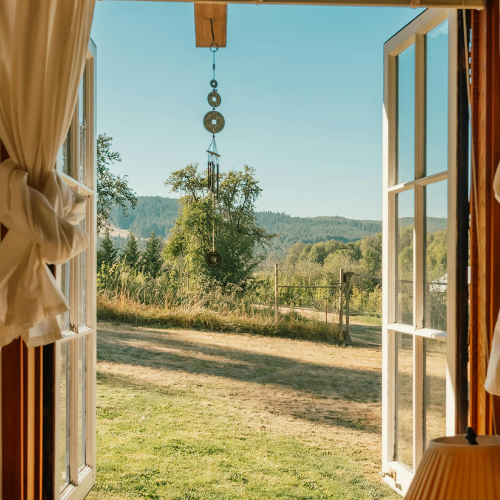
  • Open windows and let in fresh air.

  • Do a physical clean or declutter.

  • Light a candle with intention.

  • Rearrange your space.

Cleanliness and fresh air is associated with cleansing and renewal.

You could use:

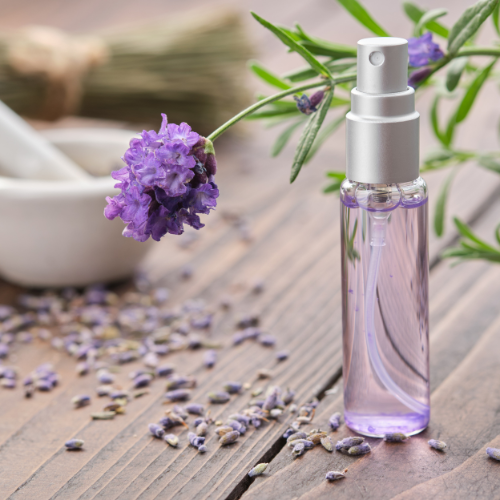
  • Essential oil sprays (like citrus, eucalyptus, lavender).

  • Room mists or diffusers.

  • A bowl of water with herbs or citrus slices - I personally love this option as a simmer pot.

These give a similar sensory “reset” without smoke.

PLEASE NOTE: If you have animals, be mindful of what scents you use / anything that they can get into contact with that may be toxic.
A good rule of thumb is to think about is whether you understand where something comes from, aren’t copying a closed or sacred ritual, and aren’t treating it like a trend or jumping on another wellness bandwagon!
More About ... Cleansing with Sage!

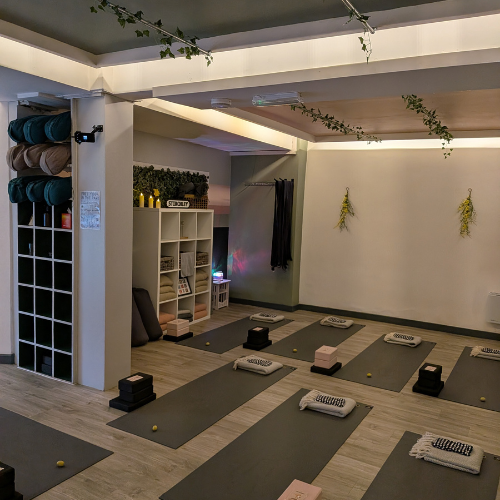
Owning a studio space means I regularly cleanse the space, as it’s a hub of energy!

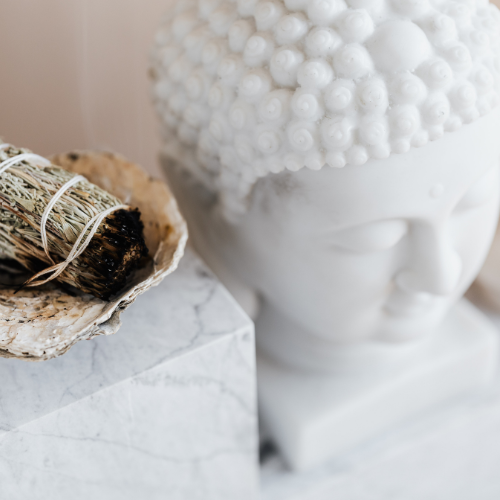
My friend Becky has drum cleansed the space in the past, I cleanse with chants, chimes, bells, incense, and most recently a beautiful bunch of sage.

Neither cleansing rituals nor sage are new to me, but it got me to thinking about the trend of “smudging” and the cultural considerations associated with this.

So, I thought I would share a little more…

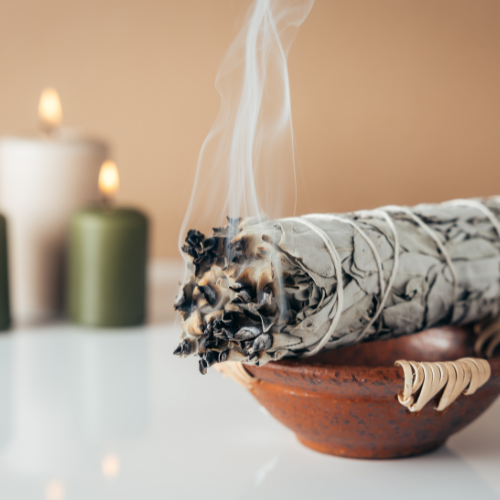
Using sage for cleansing can cross into cultural appropriation when it borrows from specific Indigenous spiritual traditions—especially without understanding, respect, or permission.

This can be a sensitive topic.

What many people call “smudging” isn’t just a generic ritual—it’s a sacred ceremonial practice in various Native American cultures.

It’s tied to specific teachings, community roles (often led by elders), cultural and spiritual meaning, not just “energy cleansing.”

When people outside those cultures adopt it casually (e.g. as a trendy wellness habit), it can be seen as cultural appropriation.

This is troublesome as it strips away its meaning, commercialises something sacred (an ongoing issue in the wellness world), and it can also contribute to overharvesting of plants like white sage.

1. Smudging vs. burning herbs.

Smudging is a cultural/religious ceremony from Indigenous traditions, whereas burning herbs/incense is generally something many cultures have done in different ways.

If you’re copying a specific Indigenous ritual and calling it “smudging,” that’s where it could be considered appropriation, as opposed to appreciation.

2. The type of sage.

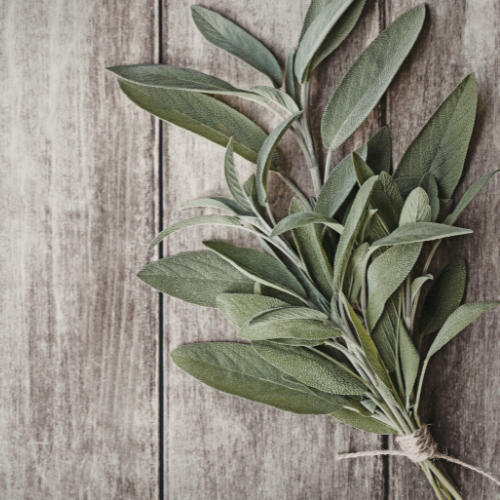
White sage is sacred to certain Indigenous groups and has been overharvested. Garden sage or other herbs don’t carry the same cultural weight. Why not grow your own herb garden?

3. Intent vs. impact.

Even if your intention is harmless (e.g., relaxation, spirituality), the impact can still be problematic if it ignores the origins and treats a sacred practice as an aesthetic “trend”.

Are there more respectful alternatives?

In short, YES!

If you like the idea of cleansing your space, you could use incense from traditions you understand or are part of, burn herbs that aren’t culturally restricted or that you grow yourself.

There are also plenty of non-smoke methods. I mentioned above about sound, simply cleaning a space with intention is a form of cleansing, opening a window or door and letting fresh air in the space.

What is important is that we don’t just jump on the bandwagon of another wellness “trend” but if we choose to practice something, we learn about the cultural origins before adopting anything.

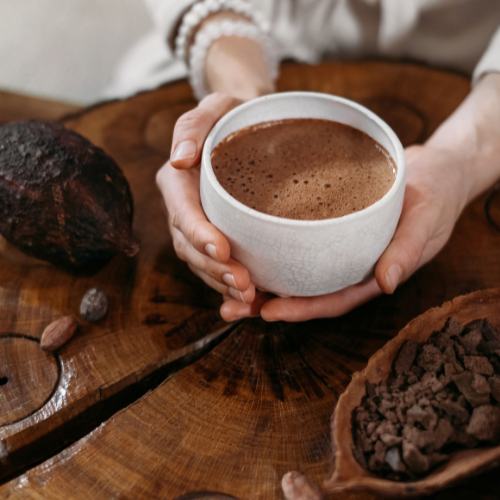
A GREAT example of this is the rise in popularity of Cacao / Cacao Ceremonies.

Practitioners without training, without understanding of the culture and history of Cacao, not offering ceremonial grade Cacao, and simply offering it as an add-on “heart opener”.

This could be a whole other blog post!

Everyone will have their own opinion, and there can be conflicting information out there.

It is up to us to do our own research, and to sit with what feels right, authentic, and true for us.

A balanced way to think about it could be; it’s not that no one outside Indigenous cultures can ever burn sage, BUT avoid calling it “smudging” unless you’re part of that tradition, be mindful about sourcing (don’t support exploitative harvesting), enjoy growing your own, and approach with awareness rather than following wellness fads and “trends.”