
When temperatures rise across the UK, it's easy to feel irritable, sluggish, restless or overwhelmed.
While we can't control the weather, Yoga offers a powerful toolkit to help us regulate our bodies, calm our minds and stay connected to ourselves and those around us.
The key is adapting your practice, and our experienced teaching team at the studio will be doing just that.
Cooling Asanas for Hot Days
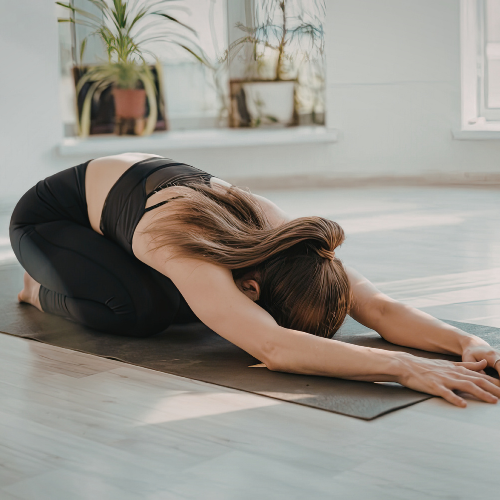
Child's Pose (Balasana)
A grounding posture that encourages rest and relaxation, calms the nervous system, releases tension in the back and shoulders and encourages slower, deeper breathing.
Stay here for several minutes, allowing the forehead to rest on a mat, cushion or folded blanket.
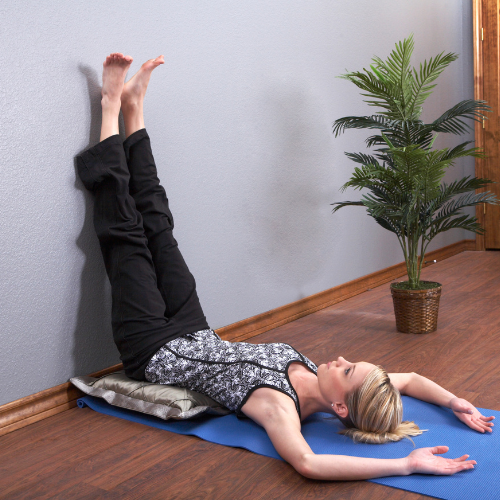
Legs Up The Wall (Viparita Karani)
One of the most restorative poses for warm weather.
Can reduce swelling in feet and ankles, encourage circulation and movement of energy (prana / Qi), calms the mind, can help ease fatigue.
Stay for a few minutes or longer, while focusing on slow, steady breaths.
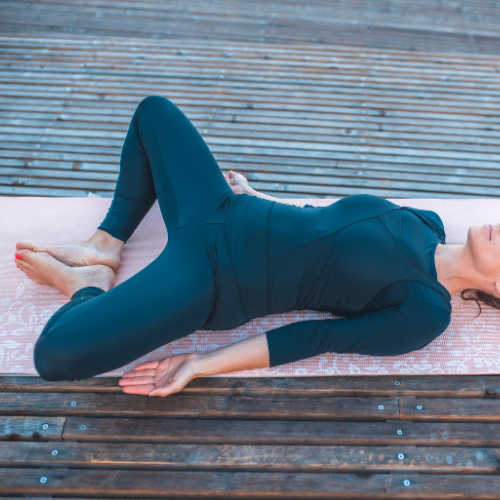
Reclined Bound Angle Pose (Supta Baddha Konasana)
A beautiful posture for opening the chest, hips, inner leg lines, and encouraging relaxation.
It can help to release tension in body and mind, supports deeper breathing and activate the body's relaxation response.
Place cushions, a bolster, blanket or support beneath the thighs or knees for additional comfort.
In Yin Yoga, this is called reclined Butterfly. The angle of the legs is softened and you would be encouraged to soften into the shape for 3-5 minutes.
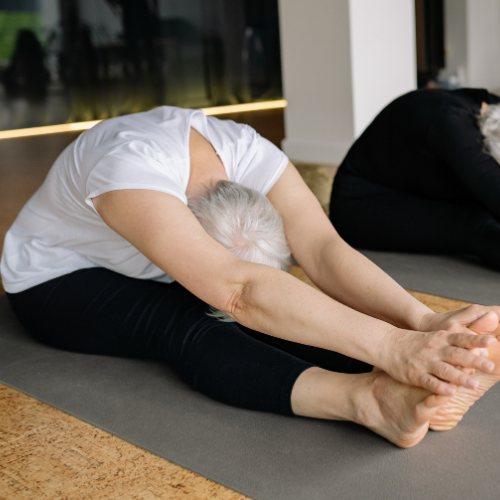
Seated Forward Fold (Paschimottanasana)
Forward folds naturally encourage introspection and calm.
This seated forward fold can help to settle a busy mind, find length and space in the back body, and encourages us to soften and connect to body and breath.
Focus on relaxation rather than flexibility, and do not overstretch.
Using a strap can help, and if you fancy a softer version try the Yin Yoga version, caterpillar (pictured below).
Cooling Breathing Techniques
In Yoga, breath is one of our most powerful tools for influencing how we feel physically and emotionally.
Sitali Breath
Traditionally known as the "cooling breath."
Sit comfortably.
Curl the sides of the tongue into a tube (if possible).
If not purse the lips like using a straw.
Inhale slowly through the rolled tongue / pursed lips.
Exhale gently through the nose.
Repeat for 5–10 rounds.
Many people notice an immediate cooling sensation in the mouth, throat and body.

Sitkari Breath
A simple technique that anyone can practice.
Gently part the teeth.
Inhale through the teeth with the lips slightly open.
Close the lips gently.
Exhale through the nose.
Repeat slowly.
This breath can help reduce feelings of heat, frustration and agitation.
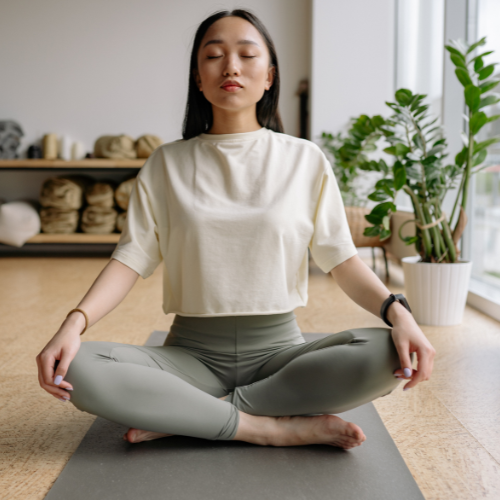
Extended Exhale Breathing
Inhale for a slow count of 4.
Exhale for a count of 6 or 8 (whatever is most comfortable for you).
A longer exhale activates the parasympathetic nervous system, helping you feel calmer and more settled.
Meditation for a Cool Mind
Heat doesn't just affect the body—it can impact mood, patience and mental clarity.
This simple practice can help reduce stress and restore a sense of ease.
Spend five minutes sitting quietly and visualising:
A cool forest.
Gentle rainfall.
Ocean waves.
A refreshing breeze.

Stay Connected During the Heat
Heatwaves can leave us feeling drained and disconnected. Yoga reminds us that wellbeing isn't just about physical comfort—it's also about connection.
You might like to consider:
Joining a morning Yoga class before temperatures rise.
Taking your practice outdoors.
Practising with friends or family.
Taking mindful walks in nature during cooler parts of the day.
Checking in on neighbours, older relatives and vulnerable members of your community.
Small acts of connection can make a significant difference during extreme weather.
Try our Wednesday 7:30AM STRENGTH class - book here.
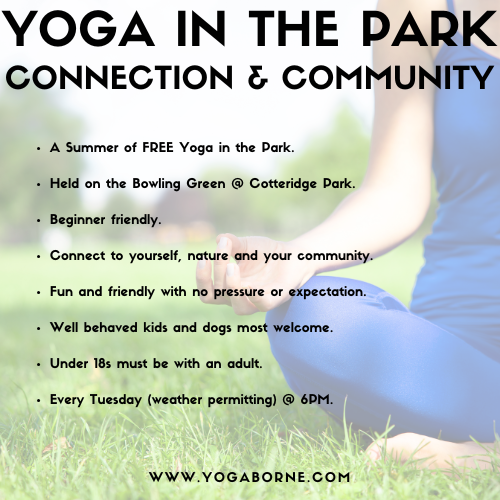
FREE Yoga in Cotteridge Park every Tuesday @ 6PM - more info here.
Practical Heatwave Tips for Yogis
Practise early morning or late evening.
Hydrate, hydrate, hydrate! Before, during and after class.
Sip water regularly throughout the day rather than waiting until you're thirsty.
Choose cooling food and drinks such as cucumber, watermelon, strawberries, leafy green, mint, coconut water.
Wear breathable clothing.
Give yourself permission to slow down.
Rest is productive when your body is working harder to regulate temperature.

Yoga teaches us to work with our environment rather than against it.
During a heatwave, the invitation is not to push harder, but to soften, slow down and listen.
By choosing cooling postures, calming breathwork and restorative practices, we can stay cool, calm and connected, even when temperatures soar.
Sometimes the most powerful Yoga practice is simply learning when to pause.

