seasonal living

Stay Committed to your Yoga Practice in Winter...

As the days grow shorter and the temperature drops, it’s natural to feel the pull toward hibernation mode.

We slow down, stay indoors more, and often find our motivation dipping.

But winter is actually one of the best seasons to deepen, strengthen, or begin your yoga practice.

Far from being a time to step back, winter offers unique opportunities for physical, mental, and emotional growth on the mat.

Keep reading to find out more!

1. Yoga Helps Keep You Warm and Energized

Cold weather can leave you feeling stiff, sluggish, and low on energy.

Yoga counteracts this by increasing circulation, gently warming the muscles, and boosting vitality.

Practices like Yoga Borne SLOW FLOW, FLOW, ENERGISE can elevate your body temperature while improving cardiovascular health and helping you feel more awake and alive.

And not forgetting, we also offer WARM YOGA classes. Much more manageable and pleasant than hot Yoga, but still with a multitude of benefits.

Click here to book your classes!

2. Winter Yoga Supports Immunity

Staying healthy during cold and flu season can be tricky - I have had some unknown lurgy for nearly 1 month now!

Yoga is a powerful immunity booster—reducing stress hormones, stimulating the lymphatic system, improving respiratory function, and enhancing overall well-being.

A consistent practice can really help your body stay resilient during the winter months.

3. It Lifts Mood and Combats Seasonal Blues

Many people experience seasonal affective disorder (SAD) or emotional dips during the darker months. Yoga can be a natural antidote!

The combination of mindful movement, breathwork, and meditation helps release endorphins, reduce anxiety, and calm the nervous system.

Even short, gentle practices can brighten your mood and provide emotional grounding.

Yoga Borne YouTube has over 300 FREE Yoga and holistic wellbeing practices, including short and sweet mindful meditations and “restful reads.”

Click here to check them out!

4. Winter Encourages Inward Focus

At Yoga Borne, Yoga is about more than physical movement—it’s also a journey inward.

Winter’s slower pace and quieter energy make it the perfect time for introspection.

Whether it's restorative yoga, yin practices, or longer savasanas, this season invites you to turn inward, reflect, and reconnect with yourself.

Why not try STRETCH or STRETCH & REST - our Yin Yoga inspired practice, for a truly slow and mindful approach this winter.

Book your classes here.

5. It Helps Maintain Mobility When You’re Less Active

Cold weather often means more time spent sitting inside, working from home, or curled up on the couch, which let’s be honest can be absolutely lovely!

But too much stillness isn’t great for body or mind.

Yoga helps counteract that by keeping joints mobile, muscles flexible, and posture supported.

Regular stretching and mindful movement help prevent stiffness and stagnation, and keep our mind active and engaged.

Can’t make it to the studio? The majority of our classes are also available LIVE online via Zoom. Just select this option when booking!

6. It Strengthens Routine and Discipline

Starting or recommitting to your practice in winter creates a strong foundation.

When you build discipline during the most challenging season, it becomes much easier to carry your practice into spring and beyond!

A consistent winter routine sets the tone for the rest of the year.

7. Yoga Supports Better Sleep

Longer nights and colder weather should make sleep feel easier—but the busyness of the festive season, stress and irregular schedules can interfere.

Yoga, especially evening practices, Yoga Nidra and gentle flows, calms the mind, reduces restlessness, and prepares the body for deep, restorative rest.

We have evening classes during the week, and a special SLOWDOWN SUNDAY offering once per month. Perfect for a restful Sunday evening sleep, leaving you feeling cool, calm and connected for Monday.

Click here for more information and to book Slowdown Sunday.

Click here for more about Yoga Nidra - Yogic Sleep!

8. It Creates a Sense of Community and Connection

Whether you attend studio classes or join online sessions, winter yoga helps you stay connected with others.

Community support can be incredibly nourishing during a season when people often isolate.

Practicing with others—virtually or in person—brings warmth, accountability, and encouragement.

The values of Yoga Borne are compassion, connection and community - and we are here to support you, through winter and beyond!

So roll out your mat, take a deep breath, and let this winter be the one where you truly commit to your practice…

Nurturing Wellbeing in November...

As November settles in, the shorter days and cooler temperatures can sometimes feel like a shock to the system.

With the festive season just around the corner, it’s the perfect time to pause, reset, and take care of your mental, physical and spiritual wellbeing.

As always, here at Yoga Borne we are here to support you with Yoga, Pilates and an array of Holistic Wellbeing offerings.

Keep reading for our top tips to stay balanced, refreshed , and prepared as winter approaches!

Supporting Your Mental Health as the Days Grow Darker.

  • Embrace natural light.

With daylight hours shrinking, exposure to natural light becomes essential. Try to get outside during the brightest part of the day—whether that’s a morning walk, a lunchtime stroll, or even sitting near a window while you work.

  • Stay connected.

Colder weather can tempt us to stay indoors and withdraw, but social connection is a powerful mood booster, and scientifically proven to help our wellbeing. Schedule regular check-ins with friends and family, join or keep up your classes, and enjoy being part of a community!

The picture below is from a Yoga Borne Autumn Retreat.

  • Practice mindfulness.

November naturally encourages a slower pace. Use this as an opportunity for mindfulness—spend a few minutes each day focusing on your breath, journaling, or practicing gratitude. These small practices can help ease seasonal stress.

Check out Yoga Borne YouTube here for a whole host of meditations and more!

  • Be aware of signs of seasonal low mood.

If you notice persistent fatigue, irritability, or loss of interest in activities, you may be experiencing symptoms of Seasonal Affective Disorder (SAD). Reaching out to a GP or mental health professional early can make a meaningful difference. Also consider reaching out to those you trust for support.

2. Taking Care of Your Physical Wellbeing.

  • Keep moving.

Even minimal physical activity can improve energy levels and mood. Consider swapping long outdoor sessions with shorter, more frequent walks, indoor fitness routines, or online classes. The key is consistency rather than intensity.

Yoga Borne offers classes 7 days a week in our warm and cosy studio, plus available LIVE online via Zoom!

  • Fuel your body with winter-friendly nutrition.

Comfort food season doesn’t have to mean unhealthy eating. Build meals around warming soups, seasonal vegetables, whole grains, leafy greens and immune-supporting foods.

Cacao is a mood and immunity booster, and we have a Cacao Ceremony coming up on 22nd November. Click here for more info and booking!

  • Support your immune system.

As cold and flu season sets in, consider small daily habits that help protect your health: staying hydrated, getting adequate sleep, washing hands regularly, and taking vitamin D supplements if needed.

  • Prioritise rest.

With darker evenings, your body naturally craves more downtime. Listen to it! Creating a calming bedtime routine can help improve sleep quality and overall resilience. Evening Yoga can help to wind the body and mind down ready for a good night sleep.

Sound Healing is a wonderful way to relax, and our Autumn Sound Healing session is coming up on Sunday 23rd November. Click here for more information.

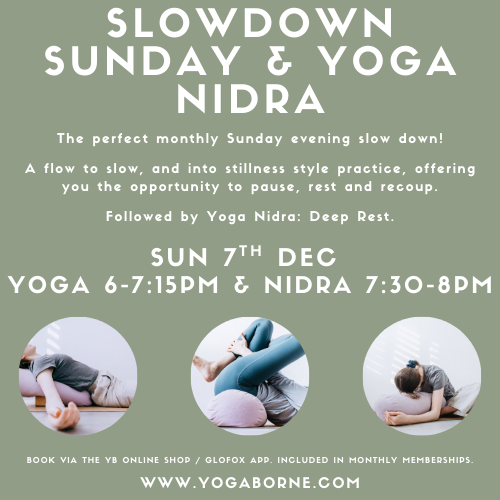
On Sunday 7th December we have our monthly extended class - Slowdown Sunday. The perfect end to your weekend, and start to a new week! Click here for more information.

Yoga Nidra is also an amazing practice to prioritise rest, as it involves no movement. Join us most Sunday evenings LIVE online 7:30pm.

3. Preparing for the UK Holiday Season.

  • Plan ahead to reduce stress.

From gift shopping to meal planning, early organisation can help prevent December overwhelm. Make lists, set budgets, and break tasks into manageable steps to keep the season enjoyable rather than exhausting.

  • Create realistic expectations.

The holidays often come with so much pressure—from hosting duties to social commitments. Give yourself permission to set boundaries, simplify traditions, and say no when needed. No is a full sentence!

  • Focus on meaningful moments.

Rather than getting caught up in the hustle, prioritise activities that genuinely bring joy—cosy evenings in, charity volunteering, or reconnecting with loved ones.

  • Balance indulgence with wellbeing.

Festive treats are part of the fun, but mindful enjoyment can help you stay balanced. Try alternating rich meals with lighter options, keep alcohol in moderation, and stay hydrated throughout celebrations.

November is a transitional month—an invitation to slow down, reflect, and prepare for both winter and the upcoming festive season.

By taking small but intentional steps to support your mental and physical health, you can embrace the colder months with greater ease, energy, and balance!

Embracing Autumn...

Embracing Autumn: Adjusting Mind, Body, and Spirit to Seasonal Change

As the air turns crisp and the days grow shorter, autumn invites us to slow down and align ourselves with nature’s rhythm.

Seasonal living means tuning into these subtle shifts and adjusting our lifestyles to support balance in body, mind, and spirit.

Autumn is a time of transition—of letting go, grounding, and preparing for the stillness of winter.

The cooler temperatures and shorter days can impact our energy levels and immunity.

This is the season to focus on warmth and nourishment.

Layer your clothing, keep your home cosy, and prioritize rest where possible.

Gentle but consistent movement, like walking outdoors or practicing Yoga, helps keep circulation strong and prevents stiffness as the body adapts to the chill.

Autumn often stirs emotions of change and reflection. Just as trees shed their leaves, we can release what no longer serves us.

Journaling, mindfulness practices, meditation or creative outlets can help process emotions and maintain mental clarity.

It’s also common to feel a dip in mood as daylight lessens—creating intentional moments of joy, connecting with loved ones, and seeking natural light can all be uplifting practices.

Autumn can be deeply symbolic: a reminder of cycles, impermanence, and the beauty of letting go.

Spiritually, it calls for grounding rituals. Yoga, daily meditation, gratitude practices, or spending quiet time in nature can foster a sense of peace and alignment with the season’s energy.

Ways to Stay Well in Autumn

  • Maintain a regular sleep routine to sync with earlier sunsets.

  • Hydrate and moisturise to counteract dry air.

  • Take walks in nature to absorb the vibrant colors and fresh air.

  • Strengthen immunity with herbal teas, vitamin-rich foods, and warm broths.

Yoga and Meditation for Autumn

Autumn aligns with grounding and balancing practices in Yoga.

SLOW FLOW and mindful YIN (STRETCH) practices are lovely for Autumn, as we slow down and energy turns inwards.

In contrast, balance with heat building practices such as FLOW and ENERGISE. Plus, twice a week we have WARM YOGA in the studio!

Meditation in Autumn can centre around gratitude, mindfulness, and visualization—imagining releasing old energies like falling leaves, making space for renewal, and new beginnings.

According to Traditional Chinese Medicine (TCM) and Five Element Theory, Autumn is connected to the lungs and large intestine. Deep breathing practices and supporting the respiratory system are important, and allowing ourselves to emotionally and mentally release what no longer serves us will feel beneficial.

Foods for Autumn

Autumn calls for hearty, warming foods that nourish deeply. Root vegetables, squashes, pumpkins, apples, pears, and warming spices like cinnamon and ginger align beautifully with the season.

Soups, stews, and baked dishes provide comfort and grounding energy.

Herbal teas such as chai, ginger, or rooibos support digestion and immunity.

Below we have linked a few Autumn recipes for you to try out and enjoy!

Butternut squash soup.

Vegetarian lentil cottage pie.

Baked apples.

Living seasonally is an act of harmony with nature, and can help us to maintain and improve physical, emotional, and spiritual wellbeing.

In the Western world we are often very disconnected from nature, and in essence ourselves.

Yoga Borne offers special seasonal and lunar inspired workshops and experiences for you to enjoy and rekindle this connection.

We have some wonderful offerings coming up in October.

Just click the link to find out more info and book!

Movement is Medicine / Friday 3rd / 7:30pm

Women Gather: Hunters Moon Edition / Tuesday 7th / 8pm

Reiki Healing Experience / Sun 19th / 1pm

Reiki Healing Experience / Sun 19th / 2:30pm

Crystal Bowl Sound Healing: Autumn / Sun 19th / 6pm

Slowdown Sunday: Autumn / Sun 26th / 6pm

Yoga Nidra (in studio) / Sun 26th / 7:30pm

Plus, the start of November brings a special workshop which has been a staple for the past few years, Samhain ( Halloween). This will be a wonderful afternoon of ritual and rest, with an optional creative activity. Find out more by clicking here.

Wishing you an abundant and blessed Autumn ahead!

A Short Autumn Ritual...

Autumn Blessings, Friends!

The Wheel of the Year has turned, and we welcome the cooler and darker months ahead.

You can read more about Autumn Equinox, often called Mabon, on a previous Borne Blog here.


This year my offering to you is a short and simple Autumn Equinox ritual and chant that you might like to use to honour this transitional time.

Autumn Equinox Ritual

1. Prepare a small altar or space with autumn symbols: a candle (gold, orange, red, brown), a bowl of water, an apple, and something that represents balance (like two stones of different colors).

2. Ground yourself with a few deep breaths.

3. Light the candle, saying:

“I welcome the turning of the year. Light and dark, day and night, now stand as equals.”

4. Hold the apple, and reflect on gratitude for your harvest (what you’ve achieved or received this year).

5. Place the two stones side by side, saying:

“Balance within, balance without. I walk the path of harmony.”

6. Close the ritual by eating a piece of the apple or pouring water to the earth as an offering.

Autumn Equinox Chant

(Repeat softly, three times or as many as you feel right):

“Sun to shadow, light to dark,

Balance strikes a sacred mark.

Harvest gathered, spirits near,

I honor the turning of the year.”

Time to slow down?

Autumn Equinox beckons us to find a moment to pause, and Autumn itself is a time to start to slow down.

This Sunday 28th September we are offering a special 75 minute extended practice “Slowdown Sunday” which will be a Yang to Yin, Flow to Slow approach. Ending in a lovely snuggly relaxation.

This is available to join in the studio and LIVE online via Zoom.

For more information click here.

Need some deep rest?

Yoga Nidra, often known as “Yogic Sleep” is a type of meditation practice offering the body deep rest.

It is accessible and inclusive, as there is little to no movement involved.

This class is available online weekly, and once a month we will be bringing it into the studio.

This is your opportunity to join us in our serene Stirchley Studio, with all equipment provided, including blankets, cushions, eye pillows.

Practiced in a candlelit room, lie down and simply relax. (The class will also be available online).

You deserve a Sunday evening of rest and recuperation once a month, minimum!

So why not join us for both Slowdown Sunday and Yoga Nidra?

As a thank you, Yoga Nidra is 50% off if you join Slowdown Sunday - just email us to get your discount!

(Please don’t book and then ask for a discount as we won’t be able to offer you a refund).

Book the September in studio class here.

Book the online class (and all other classes) here.

The studio is sooo cosy in Autumn - fairy lights, Autumn wreaths, candlelit classes, and of course herbal teas on tap and a fully equipped as always.

For slower paced classes you might like to wear extra layers, and a fluffy pair of socks is always a great idea!

We recommend balancing your class schedule with a mix of Yin and Yang - punchier paced, flow or Hatha style classes mixed with slower flows, and of course our dreamy Yin-spired STRETCH and STRETCH & REST classes (the latter of which includes a short Yoga Nidra to end.

Stay warm, stay well, and we look forward to guiding you through the next season!

More About... First Harvest!

The golden light of Late Summer warms the land and the first grains are gathered from the fields, it is the time of First Harvest, often referred to as Lammas or Lughnasadh.

This sacred time is a festival of gratitude, transformation, and the cyclical dance of life and death.

Falling around August 1st, this Sabbat (celebration) marks a pivotal point on the Wheel of the Year - the waning of Summer as we begin the descent into Autumn.

Origins of Lughnasadh

Lughnasadh (pronounced LOO-nah-sah or LOO-nahs) is rooted in Celtic tradition, named after the Irish god Lugh, a solar deity and master of many skills.

This was a time of community gatherings, trial marriages, athletic contests (similar to the Olympics), and honoring the sacred relationship between the land and its people.


Origins of Lammas

Lammas (short for Loaf Mass) has Anglo-Saxon and Christian origins, emerging in medieval England as a Christianized harvest festival.

On this day, the first loaves of bread made from the new grain were brought to church to be blessed, symbolizing the sanctity of the harvest.

While it shares the agricultural theme of Lughnasadh, Lammas leans more heavily into Christian traditions than mythic deity worship, yet both celebrations emphasize gratitude for the earth’s abundance.

You do not need to be a specific religion or have any specific belief systems to celebrate and honour this time of year.

How People Celebrate Today

Modern Pagans, Wiccans, Druids, and nature-based spiritual practitioners celebrate Lughnasadh/Lammas as a seasonal festival of giving thanks, honoring the Earth’s cycles, and reconnecting with ancient rhythms.

Celebrations might include:

  • Baking bread and sharing it.

  • Crafting corn or wheat dolls.

  • Holding community feasts or picnics with seasonal produce.

  • Offering gratitude rituals or harvest blessings.

  • Cleansing rituals.

  • Hosting games, dancing, or storytelling in Lugh’s honor

  • Making offerings to the land, such as returning a portion of the harvest to nature.

During our Sacred Seasons Workshop on Saturday 1st August we shared versions of the above, and created our own wheat crafts. It was a wonderful afternoon!

Themes of Lughnasadh / Lammas:

  • Gratitude and sacrifice: The grain harvest symbolizes life-giving sustenance, but also the death of the grain, a reminder of nature’s cycles and necessary sacrifice for rebirth.

  • Abundance and reflection: It’s a time to assess your own “harvest”—what you’ve created or learned over the past season.

  • Preparation for the dark half: Though Summer still lingers, the days are shortening. This is a liminal moment between light and dark.

Simple Ritual Ideas:

  • Bread Blessing Ritual: Bake a loaf from scratch and share it with loved ones or offer a piece to the earth.

  • Grain Spirit Offering: Create a small altar with wheat, corn, or barley. Thank the grain spirit for its sacrifice and leave offerings.

  • Personal Harvest Meditation / Practice / Journaling: Reflect on what you’ve “grown” this year. What efforts are now bearing fruit? What needs to be released?

Crafting for Lughnasadh

Crafting is a beautiful way to honor this sabbat, especially with natural materials:

  • Corn Dollies: Woven from husks or straw, they symbolize the spirit of the grain and are traditionally kept until spring.

  • Wheat Weavings: Create small charms, wall hangings, or ornaments with wheat stalks.

  • Sun Wheels or Harvest Wreaths: Celebrate the sun’s waning power with circular decorations made from herbs, flowers, and grain.

  • Herbal Sachets: Collect late-summer herbs like lavender, mint, chamomile, and rosemary for scented bundles.

Seasonal Living & The Wheel of the Year

Lughnasadh marks the eighth spoke on the Wheel of the Year, falling between Litha (Summer Solstice) and Mabon (Autumn Equinox).

It reminds us to slow down, give thanks, and be mindful of what we are harvesting—literally and metaphorically.

In a fast-paced, often disconnected world, seasonal living offers a deep, grounding presence.

Lughnasadh teaches us to pause, honour the land, and recognize the sacredness in everyday acts like baking bread or picking tomatoes from the vine.

Whether you approach Lughnasadh from a Celtic, Wiccan, Druidic, or folk perspective—or simply wish to honoUr the changing seasons—this Sabbat invites us to celebrate the gifts of the earth, the power of community, and the inevitable transitions of life.

May your harvest be abundant, your bread rise golden, and your heart be full.

Blessed Lughnasadh!

Coming Up … Autumn Equinox / Mabon

Our next Sacred Seasons Workshop will celebrate Autumn Equinox (Mabon).

Full information about this wonderful afternoon can be found here!

We would love to see you there.

More about... Spring Equinox!

The Spring Equinox is the point in the year when day and night are nearly equal in length.

This occurs because the sun crosses the celestial equator, marking the transition from winter to spring in the Northern Hemisphere and from summer to autumn in the Southern Hemisphere.

It symbolizes renewal, balance, and new beginnings.

The Spring Equinox typically falls around March 19–21 each year.

In 2025, it occurred on March 20, and we celebrated and honoured this at Yoga Borne with an in studio Sacred Seasons Workshop, on Saturday 22nd March.

A stretchy and sumptuous Yin Yoga practice, twisting it out with a Hatha / Slow Flow practice and ending the day with getting our creative juices flowing, painting our own plant pots to plant our seeds of intention.

Intertwined into all Sacred Season workshops is seasonal living knowledge, hints and tips, Traditional Chinese Medicine and Earth Based Wisdom from Studio Owner Karine, who studies, lives and teaches these ways for wellbeing.

What Is Ostara?

Spring Equinox is sometimes called Ostara.

Ostara is a Pagan and Wiccan festival that celebrates the Spring Equinox. It is one of the eight sabbats in the Wheel of the Year and honors the balance of light and dark before the days grow longer.

The holiday is named after Eostre, a Germanic goddess of dawn and fertility, and is associated with themes of rebirth, fertility, and growth. Many Easter traditions, such as eggs and rabbits, have roots in Ostara celebrations.

Celebrating Spring Equinox

Spring Equinox is celebrated in many ways across different cultures:

  • Modern Pagans & Wiccans: Ostara rituals, nature walks, planting seeds, lighting candles, and decorating eggs.

  • Persian Nowruz: The Persian New Year, marked by fire festivals, feasting, and family gatherings.

  • Christian Easter: Many Easter symbols, like eggs and hares, have Pagan origins linked to Ostara.

Spiritual Meaning of Spring Equinox

  • Balance & Harmony: Equal light and darkness symbolize inner balance.

  • Renewal & Growth: Represents fresh starts, fertility, and personal growth.

  • Transformation: A time to set new intentions and embrace change.

  • Connection to Nature: Encourages mindfulness and connection with the Earth’s cycles.

Rituals for Ostara

  • Egg Decorating: Symbolizing fertility, rebirth, and new beginnings.

  • Planting Seeds: A literal and spiritual act of growth, intentions and manifestation.

  • Spring Altar: Decorate with flowers, green and yellow candles, and symbols of rebirth (like eggs and rabbits).

  • Sunrise Meditation: Welcome the light and set intentions for the season.

  • Balance Rituals: Reflect on personal balance through journaling or meditation.

  • Feasting: Fresh foods like greens, honey, eggs, and dairy honour the season.

  • Nature Walks: Observe the changes in the land and connect with the Earth.

Fables & Tales of Spring Equinox / Ostara

The Legend of Eostre’s Hare

The Goddess Eostre found a wounded bird and transformed it into a hare so it could survive the winter. In gratitude, the hare laid colorful eggs, which Eostre gave to children as gifts. This is one of the origins of the Easter Bunny.

The Sun and the Moon’s Balance

A tale of the Sun and the Moon meeting in perfect harmony during the Equinox, representing balance in nature and life.

The Earth Awakens

A story about how Mother Earth awakens from her winter slumber, stretching her arms as flowers bloom and animals return.

Once Upon a Time…

In the heart of the winter, the Earth lay silent and still.

The trees stood bare, the rivers slowed, and the animals slept beneath blankets of snow.

Deep beneath the frozen soil, the Goddess of Spring, Eostre, slumbered in her crystal cave.

As the days grew longer, a small hare named Bran ventured through the barren land.

He had heard the whispers of the wind calling for Eostre to awaken, but none dared enter her sacred cave.

Determined, Bran made his way through the icy forest and arrived at the entrance of the crystal cavern.

Inside, the Goddess lay beneath a veil of frost.

Bran, filled with devotion, nudged her gently with his nose and placed a single wildflower beside her.

A golden warmth spread through the cave as Eostre’s eyes fluttered open. #

She smiled and ran her fingers through the Earth, causing the ice to melt and the first green shoots to emerge.

As she stepped into the world, the rivers began to flow, the trees sprouted leaves, and flowers bloomed in her wake.

She looked down at Bran, the little hare who had awakened her, and gifted him with the power to lay eggs once a year-eggs filled with the colors of spring.

Ever since, the hare and the egg have been symbols of Ostara, reminding the world of the balance of light and dark, the promise of renewal, and the magic of new beginnings.

Our next Sacred Seasons Workshop will honour Beltane, the midway point between Spring Equinox and Summer Solstice.

Join us for a beautiful workshop experience on Saturday 3rd May 2025.

An afternoon of Yoga, mindfulness, meditation, relaxation and creating your own flower crown.

More details and bookings, just click here.

Wishing you a Spring season of health, wealth and happiness!

More about... Sacred Seasons!

We are delighted to be offering a series of individual seasonal workshops this year, led by Studio Owner Karine - “Sacred Seasons.”

These will follow the Wheel of the Year, and the eight Sabbats (celebrations / festivals) - more about this below.

Join for individual workshops, or purchase the Sacred Seasons Course, where you will save £40 (1 workshop free), and plenty of support in creating a yearly Sacred Seasons journal / grimoire / book of shadows!

The first of 8 workshops honours Imbolc, is on Saturday 8th February and there are just 2 in studio space remaining.

Click here to find out more information, and grab one of the last spots!

If there is enough interest, this workshop will also run again at the end of Feb. Click here for booking.

Our Studio Owners are passionate about seasonal living, and as well as our workshops reflecting this, our schedule is also tweaked seasonally to reflect the changing seasons.

Spring will see us add some new classes to the schedule as the natural world, and we, start to reawaken.

Now, more about Sacred Seasons!

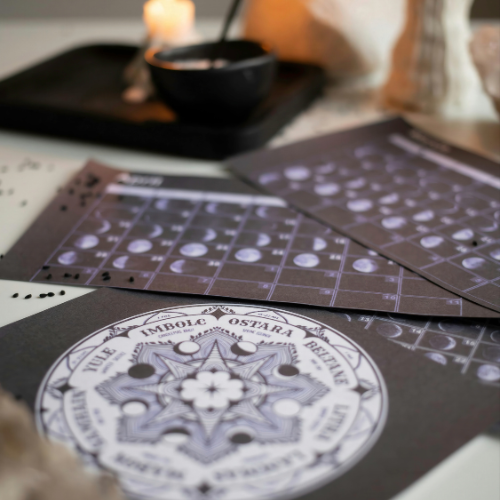
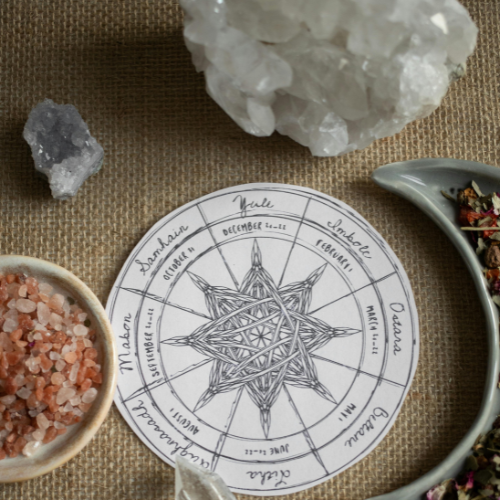
What is the Wheel of the Year?

The Wheel of the Year represents the cyclical nature of the seasons and their associated spiritual significance. It consists of eight festivals/ celebrations or sabbats, which mark the changes in seasons and /or solar events. These festivals celebrate the Earth’s natural cycles and are rooted in ancient European pagan traditions.

What are the Sabbats?

Solar Festivals (based on solstices and equinoxes):

  • Yule (Winter Solstice)

  • Ostara (Spring Equinox)

  • Litha (Summer Solstice)

  • Mabon (Autumn Equinox)

Fire Festivals (cross-quarter days, roughly midway between the solstices and equinoxes):

  • Imbolc (beginning of spring)

  • Beltane (start of summer)

  • Lughnasadh or Lammas (first harvest)

  • Samhain (end of harvest, beginning of winter)

Where Does the Wheel of the Year Come From?

The Wheel of the Year draws from pre-Christian European traditions, particularly Celtic and Germanic festivals, as well as Norse mythology, and popularized in modern times by the Wiccan movement in the mid-20th century. The Wheel of the Year could be seen as a spiritual framework that honours the cycles of nature.

Over the past year it has become even more popular, which is wonderful to see, if those who teach about it are also honouring it as a part of their lifestyle.

As with everything, it is important to do your own research, take what resonates with you, and be discerning in regard to teachers and guides.

Who Celebrates the Sabbats?

The Sabbats are celebrated in modern paganism, particularly Wiccans and Druids. However, people from different spiritual backgrounds, including those interested in nature-based spirituality, often observe these festivals as well. You do not have to have any particular belief system to learn more about seasonal and cyclical living.

How Can We Celebrate Each Sabbat?

  • Yule (Winter Solstice)

Light candles to honor the return of the sun.

Decorate with evergreens, holly, and mistletoe.

Exchange gifts or feast with family.

  • Imbolc

Light candles or fires to honor the growing light.

Cleanse and bless your home for the coming spring.

Celebrate creativity or honour Goddess Brigid.

  • Ostara (Spring Equinox)

Decorate eggs as symbols of fertility and renewal.

Plant seeds to honour new growth.

Celebrate balance, as day and night are equal.

  • Beltane

Dance around a Maypole to honor fertility and abundance.

Light bonfires to celebrate life and passion.

Decorate with flowers and greenery.

  • Litha (Summer Solstice)

Celebrate the longest day of the year with outdoor gatherings.

Light candles or a fire to honour the sun's power.

Create flower crowns or sun-inspired crafts.

  • Lughnasadh (Lammas)

Bake bread or other foods from the first harvest.

Host a feast to celebrate abundance.

Offer gratitude for the Earth’s bounty.

  • Mabon (Autumn Equinox)

Celebrate balance as day and night are equal.

Decorate with autumn colors and seasonal produce.

Reflect on gratitude and give thanks for the harvest.

  • Samhain

Honour ancestors and loved ones who have passed.

Light candles or carve pumpkins to guide spirits.

Reflect on endings and prepare for the winter ahead.

Hopefully this gave you some useful information about the Wheel of the Year and seasonal living.

Of course, each sabbat can be personalized based on individual traditions, creativity, and connection to nature. Enjoy!

Workshop Dates

Interested in learning more, combined with Yoga and Holistic wellbeing?

Join us for a Sacred Seasons Workshop or the Seasonal Living Course.

The workshops can also be joined online, but the creative activities will require you to purchase your own equipment.

Imbolc 8th and 22nd February

Ostara 22nd March

Beltane 3rd May

Litha 28th June

Lughnasadh 2nd August

Mabon 20th September

Samhain 1st November

Yule 20th December

Sacred Seasons: Seasonal Living Course details here.

More about... Winter Solstice & Yuletide

What is the Winter Solstice?

The Winter Solstice is the shortest day and longest night of the year.

Although it marks the official start of Winter in the Northern Hemisphere and occurs when the Earth's tilt is farthest from the sun, it is in contrast a day that reminds us Spring is lingering in the distance.

It is a time of renewal and reflection, symbolizing the return of light as days begin to grow longer after the Winter Solstice.

When is the Winter Solstice?

The Winter Solstice typically occurs between December 20 and 23, depending on the Earth's orbit.

In 2024, it will occur on December 21.

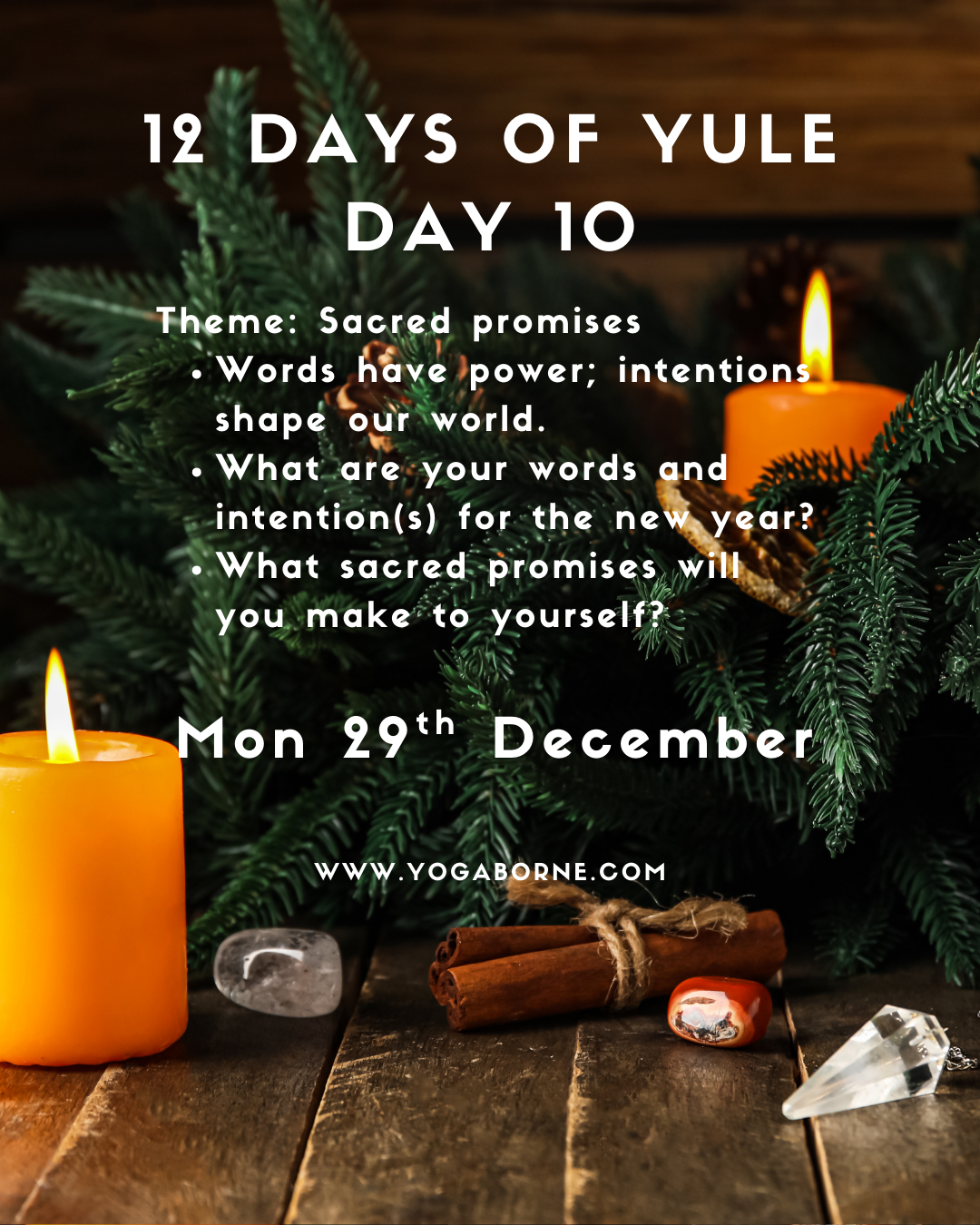
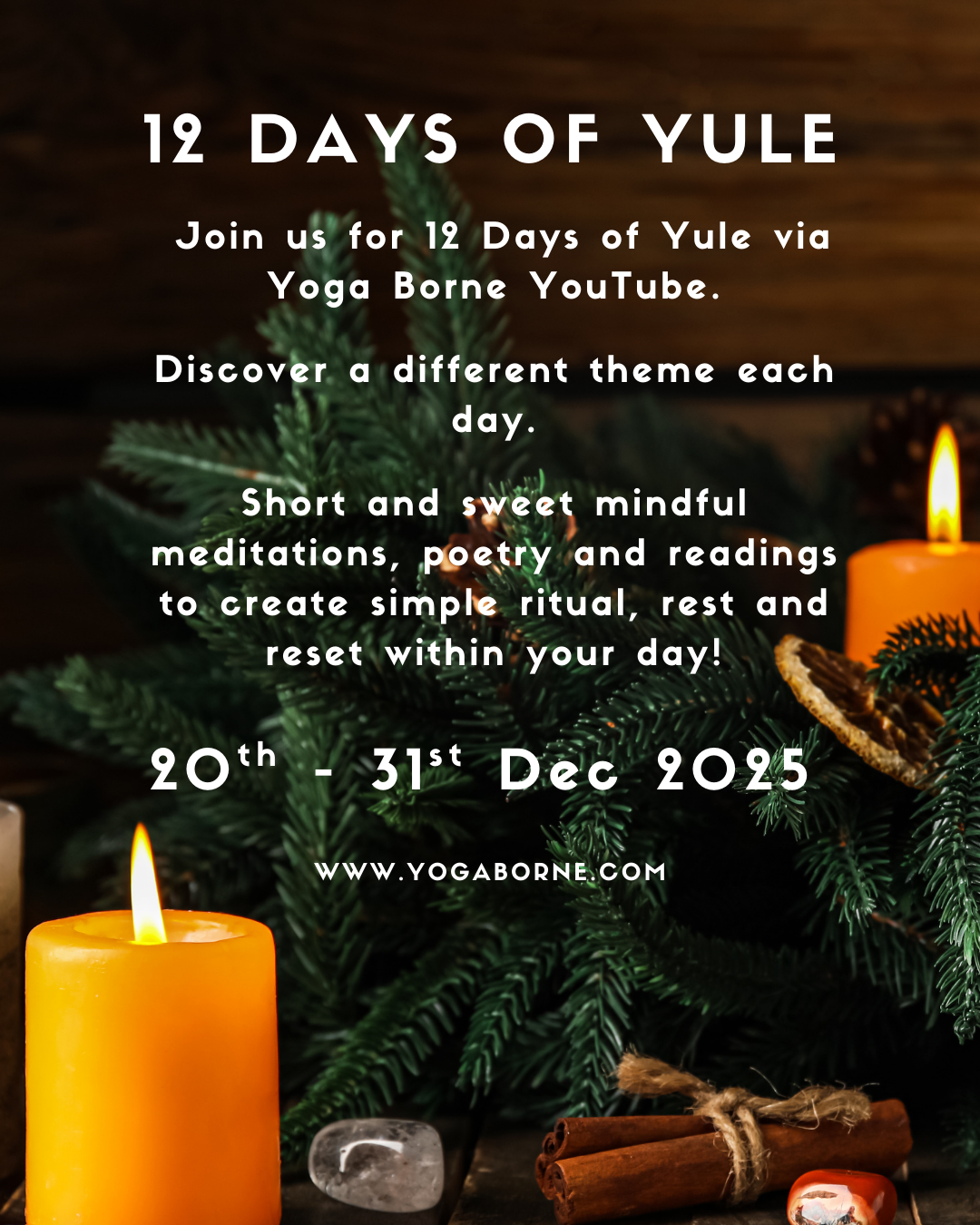
The energy of the solstice will be palpable however, before and after this date. Yuletide or Yule (more about this below), is a celebration which spans 12 days.

Why is it also called Yule?

Yule originates from ancient Norse and Germanic pagan traditions.

It was celebrated as a festival honouring the rebirth of the sun and light during the darkest part of the year. Many Yule traditions, such as the burning of the Yule log, were incorporated into modern winter holidays like Christmas.

Goddesses of Winter Solstice

In many pagan traditions, the Winter Solstice honors goddesses associated with light, rebirth, and transformation. For example:

  • Freyja (Norse goddess of love and renewal).

  • Demeter (Greek goddess of agriculture, symbolizing the return of life after winter).

  • The Great Mother or Earth Goddess, embodying the cycle of death and rebirth.#


The Winter Solstice represents:

Rebirth - The return of the sun and longer days.

Inner Reflection - A time to pause, reflect on the past year, and set intentions for renewal.

Hope and Resilience - A reminder that even in darkness, light will return.

Spiritual Connection - Deepening your relationship with nature and the cycles of life.

Yule emphasizes:

Connection to Nature - Honoring the Earth’s cycles.

Celebration of Light - Welcoming back the sun’s strength and vitality.

Rituals for Winter Solstice and Yule

  • Burning a Yule Log

Choose a log, decorate it with greenery, and burn it in a fireplace or outdoor fire. Write down wishes or intentions and toss them into the fire.

  • Candle Ritual

Light candles to represent the return of the sun and invite light into your life. Use white, red, and green candles for Yule symbolism.

  • Meditation and Reflection

Reflect on the year’s lessons and set intentions for the future. Journaling during this time can be especially powerful.

  • Decorate with Nature

Use evergreen branches, holly, mistletoe, and pinecones to symbolize life, fertility, and renewal.

  • Feast and Gratitude

Share a meal with loved ones and express gratitude for the blessings of the year.

  • Create a Winter Altar

Include symbols of the sun (gold ornaments, candles), evergreen plants, and crystals like citrine or garnet.

  • Walk in Nature

Take a quiet walk in the woods or a nearby park to connect with the stillness and beauty of winter.

Words and Affirmations for Winter Solstice and Yule

"I honour the darkness and welcome the light."

"With every new dawn, I grow stronger and brighter."

"I release the past and embrace new beginnings."

"I am grounded in nature’s cycles of renewal and transformation."

"The light within me shines brightly, even in the darkest of times."

Meditation for Winter Solstice

Head over to Yoga Borne YouTube for a FREE Winter Solstice Meditation - click here.

Sacred Seasons: Seasonal Living Course

Interested in seasonal living living, sacred cycles, the Wheel of the Year?

Take a look at our Sacred Seasons Course for 2025.

Each seasonal Sabbat (celebration) will see us join for a workshop including Yoga, holistic wellbeing, information about the Sabbat, and crafting / creating something to take home.

Each workshop can be purchased individually, or purchase the whole course and create your own Grimoire / Book of Shadows for the year, that you can continue to add to.

Purchasing the whole course will also save you £40, and encourage you to commit to this self care nd nourishing time for yourself each month.

More information about the Sacred Seasons Course - click here.

Each workshop is also available to purchase individually via the YB online shop - click here.